
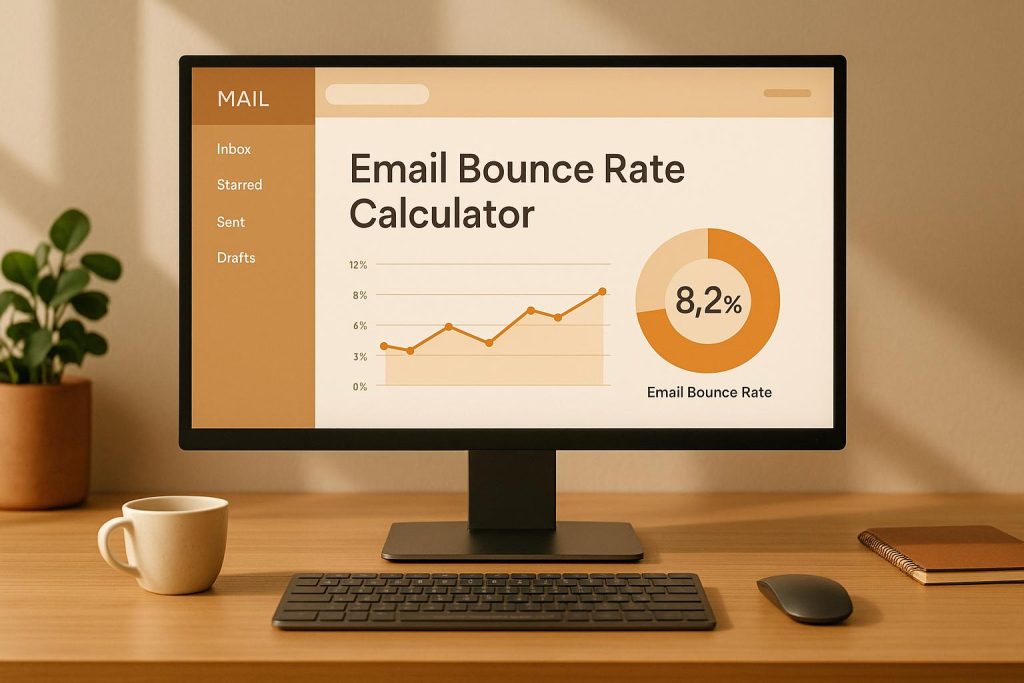
Understanding Email Campaign Success with a Bounce Rate Tool
Email marketing remains a powerful way to connect with your audience, but how do you know if your messages are actually getting through? One key metric to track is your email bounce rate—the percentage of emails that fail to deliver. A high rate can signal problems with your list quality or content, potentially harming your sender reputation.
Why Bounce Rates Matter
When emails don’t reach inboxes, you’re missing out on engagement opportunities. A bounce rate above 5% often indicates issues like outdated contacts or deliverability hiccups. On the flip side, keeping it below 2% shows your list is healthy and your campaigns are likely hitting their mark. Tools that calculate this metric for you can save time and provide clarity.
Tips for Better Deliverability
Start by ensuring your subscriber list is current—remove inactive users or bounced addresses. Craft subject lines that avoid spam filters, and consider working with a reliable email service provider. By monitoring your delivery performance regularly, you’ll spot trends and make adjustments before small issues turn into big headaches. Taking these steps can boost your outreach and keep your audience engaged.
FAQs
What is a good email bounce rate?
A good bounce rate is typically under 2%. That means most of your emails are reaching inboxes, and your list is likely clean and up-to-date. If you’re seeing rates between 2-5%, it’s a sign to review your list for outdated or incorrect addresses. Anything over 5% is a red flag—consider scrubbing your list or investigating deliverability issues with your email provider.
Why do emails bounce, and how can I reduce it?
Emails bounce for a few reasons: invalid addresses, full inboxes, or server issues on the recipient’s end. Sometimes, your emails might even get flagged as spam. To reduce bounces, start by regularly cleaning your list—remove inactive or bounced contacts. Also, use double opt-in to ensure subscribers provide valid emails, and avoid spammy content that could hurt your sender reputation.
How often should I check my bounce rate?
It’s smart to check your bounce rate after every major campaign. If you’re sending emails weekly or monthly, make it a habit to review the numbers each time. Catching a high bounce rate early can save your sender score and prevent bigger issues down the line. Plus, it helps you keep your list fresh and your campaigns effective.

