
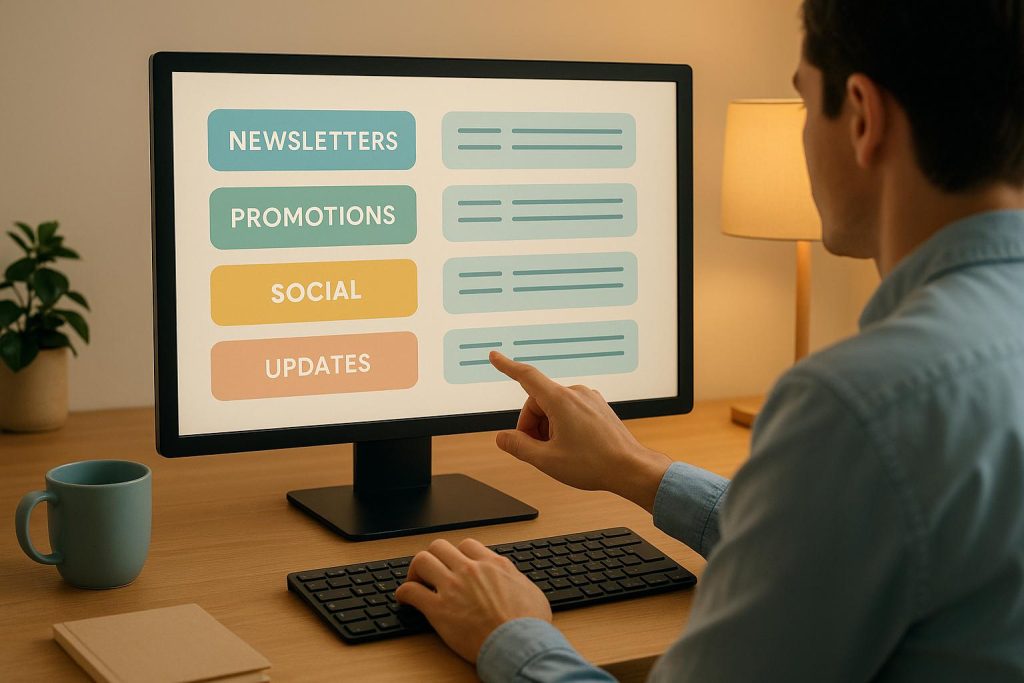
Want your emails to land in inboxes instead of spam? The secret is email preference segmentation. By letting subscribers choose the content they want and how often they want it, you can boost engagement, reduce spam complaints, and improve your sender reputation.
Here’s why it works:
- Higher engagement rates: Emails tailored to preferences see better open and click-through rates.
- Fewer spam complaints: Subscribers are less likely to mark emails as spam when they get what they asked for.
- Cleaner email lists: Preference data helps identify inactive users and maintain list hygiene.
Key stats:
- Segmented campaigns achieve 1.79% conversion rates vs. 1.31% for non-segmented ones.
- Open rates for segmented emails can hit 29.87%.
- Kate Spade saw a 50% boost in conversions using preference-based segmentation.
To make this work, set up a preference center, update segments regularly, and track performance metrics like open rates and spam complaints. Tools like MailMonitor can help monitor and improve your email health. Start focusing on what your subscribers want, and watch your deliverability improve.
3 Things To Know About Email Marketing Segmentation Strategies For 2020
What is Email Preference Segmentation
Email preference segmentation changes the way you approach email campaigns. Instead of relying on generic or demographic-based groupings, it focuses on tailoring content to what your subscribers actually want to see.
Email Preference Segmentation Explained
Email preference segmentation involves organizing your email list based on what subscribers specifically request – things like their interests, how often they want emails, and the types of content they prefer. This goes beyond basic demographic or behavioral data [7][8]. Essentially, it’s about letting your subscribers take the lead in telling you what they want, rather than you making assumptions.
This method removes the guesswork and ensures your emails match what your audience is looking for. For example, one subscriber might want weekly updates about new products but prefer to skip promotional emails. Another might be interested in content about handbags but not jewelry.
This approach aligns with what consumers expect. In fact, 71% of U.S. consumers want personalized interactions, and 76% feel frustrated when they receive generic messaging [2]. By segmenting based on preferences, you’re delivering exactly what they asked for, which naturally improves engagement.
What’s more, this strategy makes your subscribers active participants in shaping their email experience. Next, let’s look at how to gather this critical preference data effectively.
How to Collect Preference Data
Gathering preference data requires smart strategies and tools that comply with U.S. privacy laws like the CAN-SPAM Act.
Preference centers are one of the best tools for this. These are dedicated pages where subscribers can choose their interests, decide how often they want emails, and pick the type of content they’d like to receive [7]. Instead of just offering an "unsubscribe" option, you can provide choices like "weekly newsletters", "promotional offers", or "updates about handbags only."
Sign-up forms also give you an opportunity to collect preferences right from the start [6]. When someone subscribes, you can include options for them to select their favorite topics or choose how frequently they’d like to hear from you.
Surveys and polls are another way to gather insights from your existing subscribers [4]. Periodically ask them about their preferences – what content they like, how often they want emails, or even new topics they’d find interesting. Keep these surveys short and sweet, and consider offering a small incentive, like a discount or exclusive content, to encourage participation.
It’s important to be transparent and allow subscribers to update their preferences anytime. This builds trust while keeping your practices compliant with privacy regulations. Collecting accurate data is essential because it directly impacts the success of your segmentation efforts.
How Segmentation Improves Deliverability
Improving email deliverability starts with sending content that subscribers actually want. Preference-based segmentation directly addresses many of the deliverability challenges marketers face. When your emails align with what subscribers requested, you’ll see several benefits.
Engagement rates go up because people are more likely to open and interact with emails they’ve specifically asked for. Email service providers closely monitor these engagement metrics – higher open and click-through rates signal that your content is relevant and welcome.
Spam complaints decrease significantly when subscribers receive emails they’ve opted into. For example, if someone specifically requested weekly updates about handbags, they’re far less likely to mark those emails as spam because the content matches their expectations.
The numbers back this up. Segmented campaigns see conversion rates of 1.79%, compared to 1.31% for non-segmented campaigns [2]. Additionally, top-performing segmented campaigns achieve an average open rate of 29.87% [9], which is much higher than generic email blasts.
Better engagement metrics also catch the attention of email service providers, improving your inbox placement. This creates a positive feedback loop: higher engagement leads to better sender reputation, which further boosts deliverability.
How Email Preferences Fix Deliverability Issues
Email preference segmentation tackles deliverability problems by addressing the main reasons emails end up in spam folders. When you send content that aligns with what subscribers actually want, several deliverability challenges are resolved simultaneously. Let’s break down how email preferences improve deliverability, from minimizing spam complaints to keeping your email list in great shape.
Fewer Spam Complaints
Spam complaints are one of the biggest threats to your sender reputation. When subscribers mark your emails as spam, internet service providers notice and may start filtering your messages more aggressively.
Email preference segmentation helps avoid this by ensuring subscribers only receive the content they’ve specifically asked for [7]. For instance, if someone signs up for weekly product updates but not promotional offers, they won’t be irritated by unrelated sales emails. By matching your emails to subscriber expectations, you reduce the chances of being flagged as spam.
Fewer spam complaints send a clear signal to inbox providers that your emails are welcome and trustworthy [4][7]. When subscribers get what they expect – and value – it shifts their perception of your emails from being a nuisance to being a helpful communication. This shift is crucial for improving deliverability.
Better Engagement Rates
Lower spam complaints naturally lead to better engagement, which further enhances deliverability. Email providers pay close attention to how subscribers interact with your messages, using these behaviors to decide if your emails belong in the inbox.
Segmented campaigns perform better because the content resonates with each recipient [9]. For example, if a subscriber requests updates about handbags, they’re far more likely to open an email featuring new handbag arrivals than a generic newsletter covering all products.
The numbers back this up. Segmented campaigns often see open rates as high as 29.87%, well above those of non-segmented campaigns [9]. A real-world example: Kate Spade used segmentation based on product interests, sending tailored emails about new arrivals in handbags or jewelry. This approach led to a 50% boost in conversion rates, a 36% increase in click-through rates, and a 174% jump in revenue [8].
As engagement climbs, inbox providers receive positive signals about your sender reputation. This improves inbox placement, creating even more opportunities for subscribers to interact with your emails.
Cleaner Email Lists
A well-maintained email list is another key benefit of preference segmentation. Keeping your lists clean is critical for deliverability, and segmentation makes it easier to identify and address inactive or unresponsive subscribers.
By tracking engagement within each preference segment, you can pinpoint subscribers who are no longer interacting with your emails [6]. If someone isn’t opening emails about topics they specifically chose, it might indicate that their email address is inactive or that they’ve lost interest.
Regularly cleaning your lists – removing hard bounces and consistently unengaged subscribers – reduces bounce rates and prevents deliverability issues caused by outdated or invalid addresses [6]. Before removing subscribers entirely, you can also experiment with adjusting content frequency or trying new messaging for specific segments. This helps maintain a high-quality list while giving you a chance to re-engage inactive users.
Segmented vs. Non-Segmented Campaign Results
The difference between segmented and non-segmented campaigns is striking when you look at the numbers. Here’s how key metrics stack up:
| Metric | Non-Segmented Campaigns | Segmented Campaigns |
|---|---|---|
| Conversion Rate | 1.31% | 1.79% |
| Open Rates | Often below 20% | Up to 29.87% |
| Spam Complaints | Higher complaint rates | Significantly reduced |
| Click-Through Rates | Lower engagement | Higher engagement |
| Bounce Rates | Higher due to poor list hygiene | Lower with better list management |
| Deliverability Rate | Compromised by poor signals | Improved through positive engagement |
These figures make it clear: segmented campaigns not only improve engagement but also enhance inbox placement [2]. When subscribers receive content tailored to their interests, they engage more, complain less, and stay subscribed longer. This creates positive engagement signals that email providers value when deciding whether your emails belong in the inbox.
The data leaves no doubt – segmentation is a must for modern email deliverability. Without it, businesses face an uphill battle trying to overcome poor metrics.
sbb-itb-eece389
How to Set Up Email Preference Segmentation
Using email preference segmentation can help you gather key subscriber data and improve email deliverability. The process involves creating a simple way for subscribers to share their preferences, keeping your segments updated, and tracking performance to make sure your strategy stays effective.
Create a Subscriber Preference Center
The cornerstone of effective segmentation is a subscriber preference center. This tool lets subscribers choose the type of content they want and how often they’d like to hear from you – key for delivering content that resonates with a U.S. audience.
Make sure the preference center is easy to find, either on your website or through a link in your email footer. Keep the design simple and the language clear. Offer choices that align with what American consumers value. For instance, many U.S. brands allow subscribers to select between promotional emails, educational updates, or event notifications, as well as their preferred frequency, such as weekly, monthly, or only for special events [6][7].
You can also gather additional details like demographic information or channel preferences, such as whether they’d like to receive updates via SMS alongside email.
Since many Americans access emails on their smartphones, ensure the preference center is mobile-friendly. Use U.S.-specific formats, like MM/DD/YYYY for dates, dollar signs for currency, and customary measurement units. You might also offer options tailored to major U.S. holidays and events, like Black Friday or July 4th promotions.
Don’t forget to comply with U.S. privacy laws and make it easy for subscribers to update their preferences anytime. When subscribers customize their preferences, they help you deliver content they care about and avoid the dreaded spam folder. Once your preference center is up and running, ensure your segments are updated to reflect these choices.
Update Segments Regularly
After collecting preferences, keeping your segments up to date is essential. Regular updates ensure your email campaigns remain relevant as subscriber behavior, seasonal patterns, and business priorities shift [6][10].
Set up automated triggers to review and adjust segments. Changes in engagement metrics – like open rates or click-through rates – can signal it’s time to tweak your segmentation. Major events, like Black Friday or back-to-school shopping, often bring shifts in subscriber interests, so these are good times to reassess your segments.
Continuously refine your segments using engagement data. For example, if a subscriber who used to open promotional emails stops engaging, it might be time to try a different content format or adjust the frequency of emails. Automated workflows can help by updating segments in real-time based on changes in engagement or preferences [6][10].
Don’t forget to clean your email list regularly. Remove invalid, bounced, or inactive addresses, and encourage subscribers to update their preferences, especially after big U.S. holidays or sales events. This keeps your segments accurate and helps avoid deliverability problems [6][7][10].
Track Deliverability and Engagement
To ensure your segmentation strategy is working, keep an eye on key metrics like inbox placement, open rates, click-through rates, bounce rates, unsubscribe rates, and spam complaints [5][6]. These numbers will show whether your approach needs fine-tuning.
Tools like MailMonitor provide valuable insights through inbox placement tests, reputation monitoring, and email verification [2][3]. For U.S. businesses, MailMonitor can help identify segments with deliverability issues and offer recommendations to improve both segmentation and engagement.
MailMonitor’s strategy includes three main steps: auditing your email health, creating a plan to address spam issues, and continuously tracking performance to catch problems early. Dan Westenskow, CEO of Fusion HCS, highlights the value of this approach:
"MailMonitor helps us identify and fix our spam issues. It’s like having a deliverability expert on our team. The weekly check-in calls allow us to take feedback, implement it and then follow up the next week with additional items to clarify or get help with. This cadence helps our team get better email results." [1]
Measuring and Improving Your Results
After setting up email preference segmentation, tracking the right metrics is key to figuring out what’s working and where adjustments are needed. By focusing on these insights, you can fine-tune your strategy and improve deliverability over time.
Key Metrics to Monitor
To evaluate your segmentation efforts, keep an eye on open rates, click-through rates (CTR), spam complaint rates, unsubscribe rates, bounce rates, and inbox placement rates. These metrics provide a clear picture of how well your emails are performing and reaching your audience [6][9].
Here’s what each metric tells you:
- Open rates reflect the percentage of recipients who open your emails. For U.S. businesses, segmented campaigns should aim for rates above 20-25%.
- Click-through rates (CTR) measure how many people click on links within your email. A good benchmark is 2-3% or higher [9][2].
- Spam complaint rates are critical to monitor – keep these below 0.1% to protect your sender reputation.
- Bounce rates show how many emails fail to reach recipients due to invalid addresses. High bounce rates can negatively impact deliverability.
- Inbox placement rates reveal whether your emails land in the primary inbox or get filtered into spam or promotions folders [6][9].
Tracking these metrics using U.S. date formats (MM/DD/YYYY) and percentages with periods as decimal separators helps ensure consistency in your analysis. These figures highlight the effectiveness of targeted segmentation compared to generic campaigns, making regular measurement a must.
A great example of segmentation success is Kate Spade. In 2022, they automated personalized emails for new arrivals by segmenting customers based on interests, like handbags versus jewelry, and used automated product feeds. The result? A 50% boost in conversion rates, a 36% increase in click-through rates, and a 174% jump in revenue [8].
With these metrics in hand, you can quickly test and adjust your strategy to maintain strong deliverability.
Regular Testing and Updates
Segmentation isn’t a one-and-done task. A/B testing subject lines, content, and send times for different segments helps you figure out what resonates best with your audience. Make it a habit to review engagement data monthly to track trends and identify segments that need extra attention [6][9].
Subscriber preferences evolve over time. Regularly survey your audience and use behavioral data to fine-tune your segments. This ensures your strategy stays relevant to their changing interests and industry shifts [4][2].
Be alert for red flags like a sudden spike in spam complaints, declining open rates, or rising unsubscribe rates. These often indicate a mismatch between your content or frequency and subscriber expectations. Address these issues immediately by adjusting your segmentation or content approach.
At a minimum, review your segmentation strategy quarterly. However, if engagement metrics shift dramatically or email regulations change, be ready to adapt quickly [6][2].
Regular Audits with MailMonitor
In addition to internal testing, external audits can provide valuable insights to tackle deliverability challenges. These audits help you maintain high inbox placement rates and adapt to changes in ISP filtering algorithms. Tools like MailMonitor offer detailed audits that track emails across 400+ real inboxes, monitoring deliverability and sender reputation in real time [1].
These audits can pinpoint the root causes of deliverability issues before they escalate. MailMonitor’s inbox placement testing shows exactly where your emails are landing across major U.S. providers like Gmail, Yahoo, and Outlook. The platform also offers email verification and actionable recommendations tailored for U.S. businesses [2][3].
The audit process typically involves three steps: analyzing your email health with comprehensive data, creating action plans to address spam-related issues, and continuously tracking performance to catch problems early. This structured approach has helped many companies achieve better deliverability results.
MailMonitor, for instance, aims to hit 90% inbox placement within 90 days and has supported the delivery of over 30 billion emails for businesses of all sizes [1]. For companies serious about email success, regular audits with tools like MailMonitor provide the expertise and monitoring needed to stay ahead of potential problems.
Conclusion: Email Preferences Drive Better Deliverability
Email preference segmentation is more than just a strategy – it’s a game-changer for your business. By sending the right content to the right audience at the right frequency, you create a win-win scenario that benefits your subscribers and your bottom line.
When campaigns are segmented, they consistently outperform their non-segmented counterparts. Not only do they improve conversion rates, but they also tackle common issues like spam complaints and low engagement. In a world where consumers expect personalized experiences, this approach addresses the core challenges of email deliverability rather than simply masking the symptoms.
To keep your strategy effective, it’s crucial to regularly assess and refine your segmentation efforts. As your audience’s preferences and behaviors shift, your approach should adapt accordingly. Regular testing and reviews ensure your emails continue to deliver the results you’re aiming for.
For businesses committed to maintaining strong email deliverability, combining internal optimizations with tools like MailMonitor’s external audits can make all the difference. MailMonitor’s inbox placement testing and reputation monitoring help you catch potential issues before they impact your results.
FAQs
How does segmenting email preferences help reduce spam complaints?
Segmenting email preferences lets your subscribers decide which types of emails they want to receive. This ensures your content matches their interests, making it less likely they’ll flag your messages as spam – a move that could damage your sender reputation.
When you allow subscribers to control their preferences, you not only boost engagement but also build trust. Both of these factors play a big role in improving email deliverability and ensuring your messages land in the inbox. A thoughtfully designed preference center keeps your audience satisfied and your emails where they belong – far from the spam folder.
How can I set up and maintain a subscriber preference center to improve email deliverability?
Creating and managing a subscriber preference center isn’t just about ticking a box – it’s about giving your audience control over their email experience. By doing so, you not only build trust but also improve email deliverability and reduce the chances of being flagged as spam.
Here’s how to do it right:
- Provide clear choices: Let subscribers decide what types of emails they want (like promotions, newsletters, or updates) and how often they’d like to hear from you.
- Ensure easy access: Add a link to your preference center in every email, usually in the footer, so it’s always within reach.
- Keep it straightforward: Design a simple, user-friendly interface that makes updating preferences quick and hassle-free.
Don’t forget to revisit and refine your preference center regularly. Use subscriber feedback and engagement data to make sure it stays relevant and meets their needs.
How can I monitor and evaluate the success of my email preference segmentation strategy?
MailMonitor equips you with powerful tools to evaluate how well your email preference segmentation strategy is working. By offering real-time tracking of email deliverability and sender reputation, it provides crucial insights into your email performance.
With access to data from more than 400 real inboxes, MailMonitor pinpoints problems like spam folder placement or low engagement. This means you can make smarter adjustments to boost deliverability and ensure your emails consistently reach your audience.

